
Hands-on Education
Laboratories
Discover. Question. Understand.
Where Theory Meets Experiment
KNPIS is equipped with state-of-the-art laboratories for Physics, Chemistry, and Biology, providing students with an immersive and engaging learning environment. These meticulously maintained facilities are designed to foster a deep understanding of scientific principles through hands-on experimentation and real-world application.
To ensure students have access to the most advanced resources, laboratories are consistently upgraded with the latest scientific instruments, specimens, charts, and essential learning materials — empowering meaningful investigation, critical thinking and a lifelong passion for scientific discovery.
Inside Our Labs
A Glimpse of Our Spaces
KNPIS Science Laboratory
Our flagship integrated science lab in action.
Three Disciplines
Specialised Spaces for Each Science
Each lab is purpose-built for the subject it serves — with equipment, layout and safety designed to match.
Forces, Optics & Energy
Physics Laboratory
Mechanics rigs, electrical circuit boards, optical benches and energy-conversion kits. Students explore Newton's laws, electromagnetism and modern physics through guided practicals.
Reactions & Reagents
Chemistry Laboratory
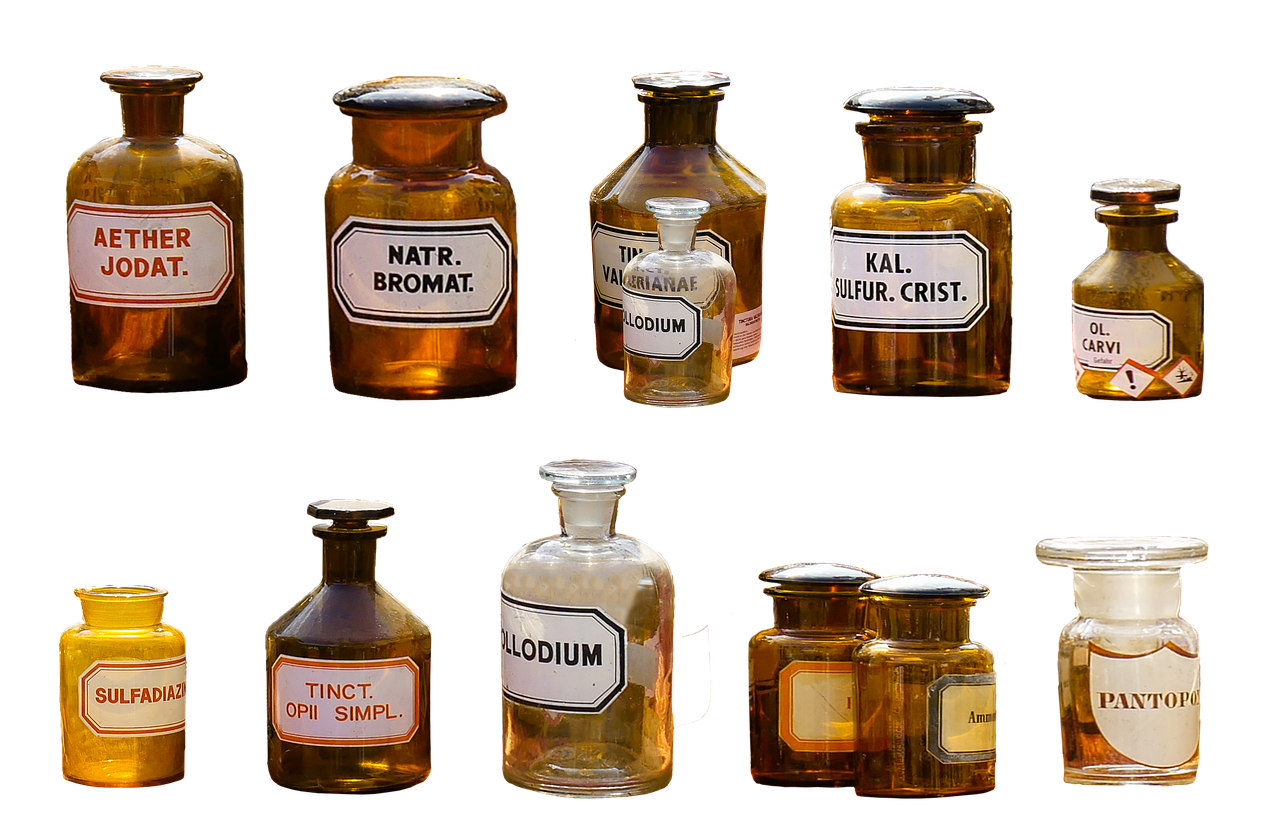
Fully equipped with calibrated glassware, fume hoods, indicator stocks and a complete reagent inventory. Every experiment is graded for safety before students participate.
Life & Living Systems
Biology Laboratory
Compound and stereo microscopes, preserved specimens, anatomical models and prepared slides. Students dissect, observe and document — building scientific habit, not just knowledge.
Why It Matters
Beyond the Textbook
Six reasons lab work is at the heart of how we teach science at KNPIS.
Inquiry-Based Learning
Students don't just memorise — they question, predict, test and conclude. Every experiment starts with a hypothesis.
Critical Thinking
Lab work trains the mind to reason from evidence. Why did the reaction fail? What variable changed? Students learn to think like scientists.
Practical Skills
Pipetting, titration, microscopy, circuit assembly — the hands-on techniques that classroom theory alone cannot teach.
Observation & Recording
Students maintain dedicated lab journals — sketching, tabulating and annotating — a habit that serves them well into higher education.
Concept Reinforcement
Seeing photosynthesis under a microscope or watching projectile motion in slow capture turns abstract ideas into lasting understanding.
Board Exam Readiness
Practical assessments now carry weight in CBSE evaluation. Our labs are designed to meet — and exceed — board examination requirements.

Joint Inquiry
A Collaborative Learning Environment
At KNPIS, the concept of a laboratory transcends the confines of a mere physical space. It evolves into a dynamic and collaborative learning environment where teachers and students, as fellow inquirers, engage in joint scientific investigations.
This approach emphasizes observation, experimentation, and rigorous analysis of results. Science, at KNPIS, is not merely a body of knowledge — it is a dynamic process of inquiry, characterised by a relentless pursuit of understanding through questioning observable phenomena.
Approach
Inquiry-driven
Method
Hands-on
Always Supervised
Safety First, Always
All laboratory work is conducted under the vigilant supervision of experienced faculty members and dedicated laboratory assistants, prioritising the utmost safety and well-being of every student.
No student handles concentrated chemicals or open flames without direct teacher guidance.
Standard Operating Procedures
Our Safety Protocols
- 1
Aprons, goggles and gloves provided and mandatory during all experiments.
- 2
Detailed risk assessment for every experiment before students begin.
- 3
Eye-wash stations, first-aid kits and fire extinguishers within easy reach.
- 4
Strict chemical inventory — concentrated reagents handled only by teachers.
- 5
Trained lab assistants supervise alongside subject teachers at all times.
- 6
Material Safety Data Sheets (MSDS) maintained for every chemical in storage.
Science Lives in the Doing
“By cultivating critical thinking, fostering rational inquiry, and encouraging intellectual curiosity, we nurture young minds — building a profound appreciation for scientific thought and logic.”